
Postcard from Okinawa
Some fragmented thoughts on war memorials, forgiveness, remembrance, and the enduring pattern of common folk who pay the price for the choices of the powerful

Monday, March 2
Okinawa Prefecture, Japan
I’m on a reporting trip to Okinawa, and one afternoon last week, Tristan and I visited three memorials to those who died during the Battle of Okinawa.
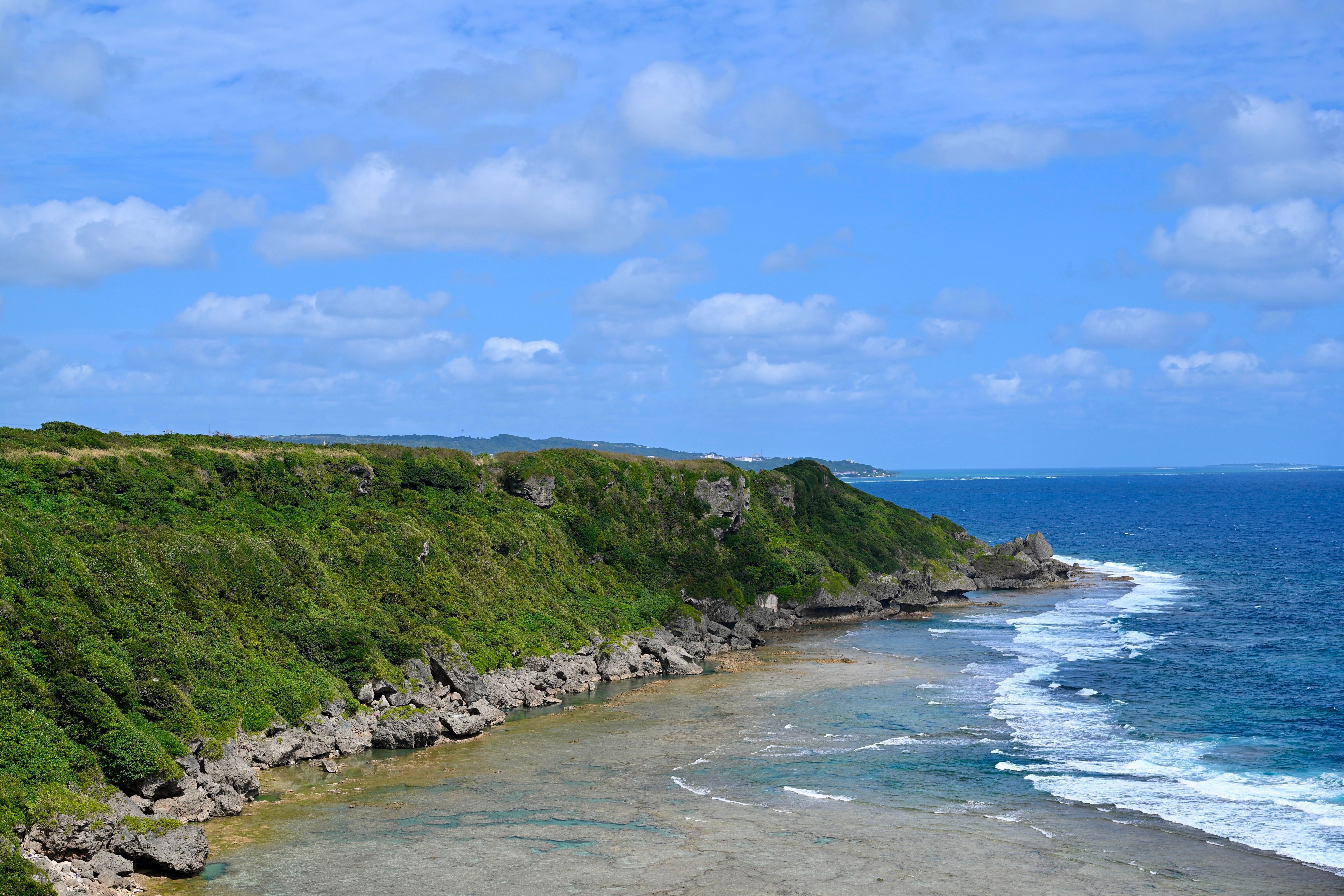
The twelve-week battle was the most devastating of World War II in the Pacific theater. More than 240,000 people were killed, including one-quarter of Okinawa’s civilian population. Some died in battle. Many starved; the Japanese military regularly seized provisions from civilians. Some were executed. Some killed themselves, because they’d been told to fear what American soldiers might do to them if captured.
Imagine one of every four of your neighbors dying over the course of three months. One of every four relatives. One of every four friends.
Our guide, Seiko, said that when she moved to Okinawa about 25 years ago, she’d occasionally stumble across empty homes that had been abandoned and were never reoccupied. During that spring of 1945, amidst the ferocious, unrelenting American bombardment that came to be known as tetsu no bofu—“iron hurricane”—entire households were wiped out.
At the Okinawa Prefectural Peace Memorial, built atop the limestone ridge where the Japanese Army made its last stand, those who died in the Battle of Okinawa are remembered. Soldiers, civilians, elders, schoolchildren—all their names are inscribed on slabs of black granite. Though the names are grouped by nationality, all who died are included, together in death even if they fought one another in life: In addition to the Okinawans and the Japanese, 14,000 Americans, 82 Britons, 34 Taiwanese, and 463 Koreans. Names are still being added as remains are found and identified.
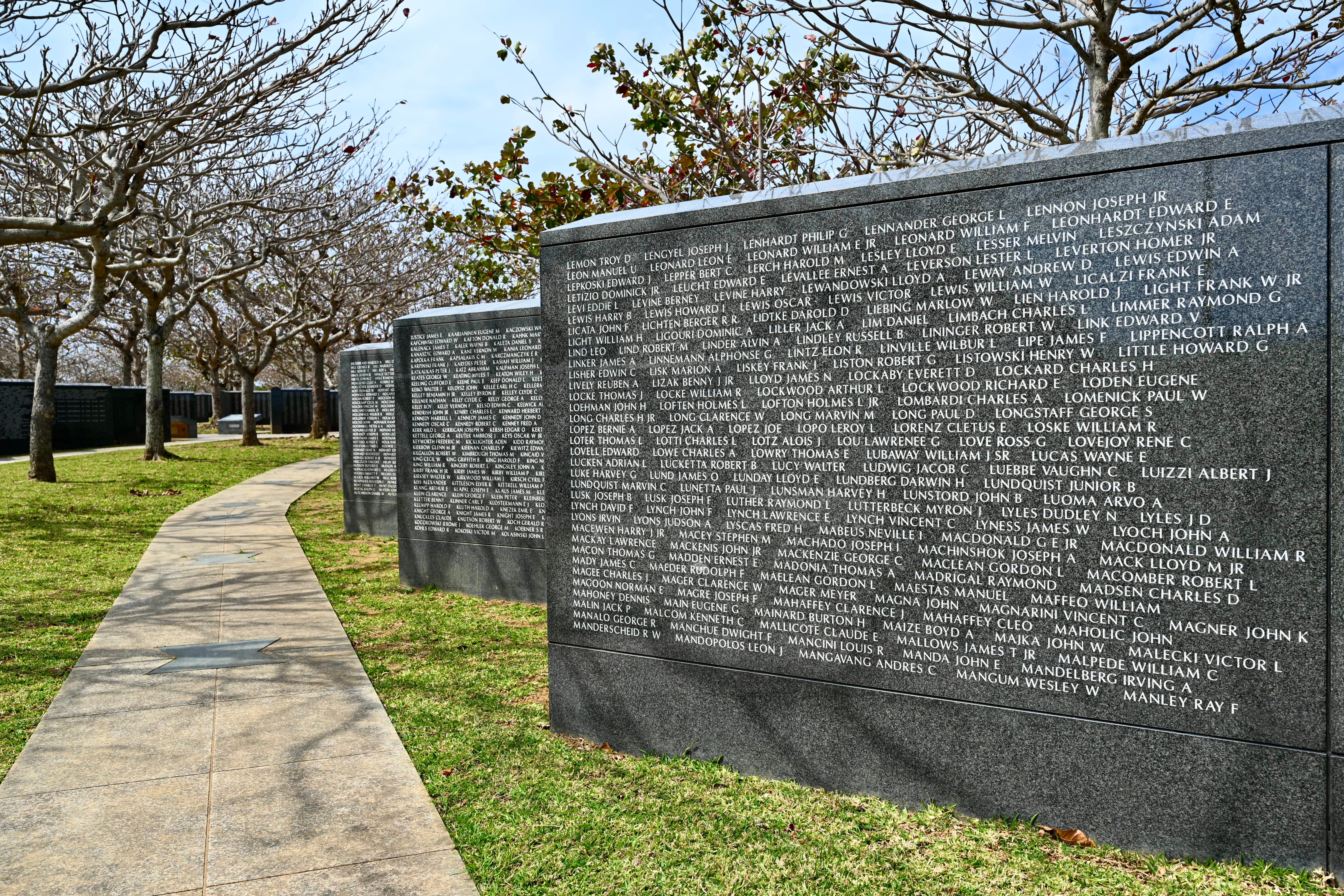
Notice how Okinawans are listed separately from Japanese, a subtle but significant differentiation. “A lot of Okinawan people have complicated feelings about the Japanese military,” Seiko told us. Until 1872, these islands had been an independent kingdom. Then Japan abolished the Ryukyu monarchy, absorbed its much smaller neighbor, and began suppressing its unique culture. Okinawans were conscripted into the Japanese military. Textbooks were edited to emphasize patriotism. Questioning the government’s narrative was seen as seditious. Glorification of the emperor became de rigueur, loyalty and obedience became paramount.
After 1931, when Japan invaded Manchuria, the official propaganda machine claimed that the country was essentially deploying a freedom force. The government insisted that Japan’s military “was saving Asian people from Western colonial powers,” Seiko explained. At the same time, though, Japan was exerting its own cultural supremacy in Okinawa. For instance, the use of Okinawan, a language related to but distinct from Japanese, became punishable as an act of espionage. During the war, numerous Okinawans were executed simply for speaking their mother tongue.
Seiko told me she usually doesn’t bring Chinese or Korean visitors to the war memorials and museums in Okinawa. When she has, they’ve often bristled at the characterization of Okinawan civilians as victims of the war. I get that. As Seiko and I talked, I also heard another faint but unmistakable voice in the conversation: that of my late maternal grandmother. She was 19 when the Japanese Army invaded Hong Kong. Whenever she told me the stories, her anger felt to me like a long-simmering pot of soup, salty and bitter, which every once in a while boiled over. I can still feel the venom with which she always said, “The Japanese.” She never forgave.
Yet as I walked through the exhibits at the museum and memorial to the Himeyuri Student Corps, I wondered how my grandmother would have understood some of these students’ stories. They were not all that different from her—teenagers in the midst of a war that had almost nothing to do with them, orchestrated by leaders who had little care for their welfare. The Himeyuri corps was a group of teens studying at two high schools in Okinawa’s capital, Naha, in the early 1940s. A few days before the Battle of Okinawa began, the Japanese Army forced the students into service, mostly as untrained army nurses.
That my grandma found herself on a nominally British island and these students on a Japanese one—wasn’t it just chance? Walking the rooms of the Himeyuri museum, gazing at the portraits of teenagers who were killed during the war, hearing the filmed testimonies of some who survived, reading the written accounts of others, I was reminded of how the humble so often suffer the consequences of decisions made by the arrogant. Proclamations and decrees go out from palaces and fortresses; commoners carry the water and take the bullets.
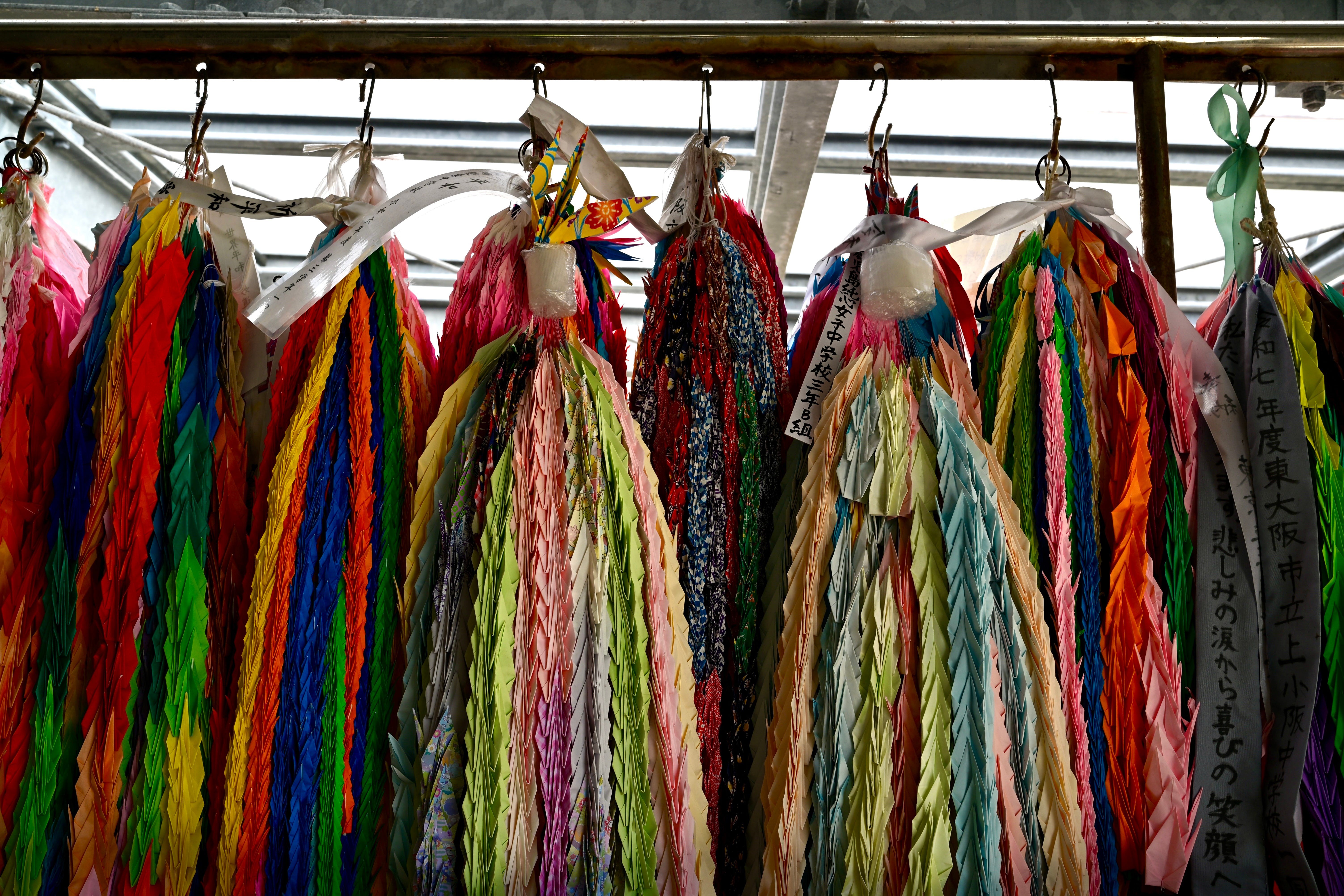
“We went on the battlefield without knowing the truth,” the English words on one wall read. “War kills everything.”
We’ve experienced plenty of “lost in translation” moments in Japan, and later, I wondered what the original Japanese said and what it meant. Then I realized it didn’t really matter. Of course they went on the battlefield without knowing the truth. Surely nobody would ever go to war if they knew the truth—the truth of the gorgeous fullness of human life and the incalculable costs of such destruction, the truth of the love of ten thousand families, the truth of a baby’s laughter and an elder’s wisdom, the truth of ancestral knowledge and stories passed from generation to generation until the storytellers are silenced, the truth carried in the fertile soils and the ancient stones, the truth of so much goodness being bombed to oblivion under the guise of the word “enemy.”
Of course we still go on the battlefield without knowing the truth. Often we rationalize, because we have to make it make sense. Sometimes “not knowing” means choosing not to know. Otherwise, wouldn’t our hearts shatter? War still kills everything.
Blessed are the peacemakers, for they shall be called children of God.
Anyone can visit the Okinawa Prefectural Peace Memorial and search the listed names online through this remarkable digital rendering.
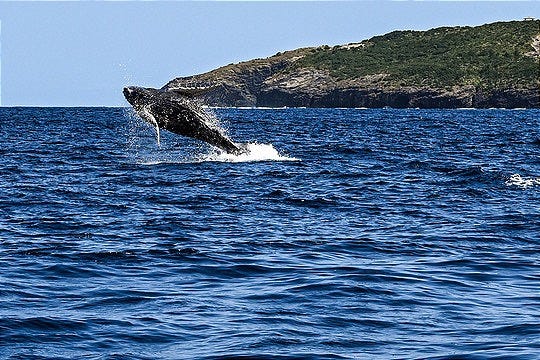
From the main island of Okinawa, we traveled to Zamami, in the Kerama Islands, about an hour’s ferry ride to the west. Perhaps I’ll write next week about the awe and wonder of seeing humpback whales in the wild. There’s a wonderful story about resilience and care there—and God knows we could use stories of resilient beauty and life-sustaining care right now.
Reminder: I’ll be at the First Presbyterian Church of Berkeley next Sunday, March 8; at Cranbury Public Library in Cranbury, N.J., on Saturday, March 14; and at Burke Presbyterian Church in Burke, Va., on Sunday, March 15 (morning and evening!). Hope to see you then and there.
All my best,
Jeff
This is such beautiful, subtle reporting and metaphor for the times. Everything changes, and nothing changes. Thank you for the blessing of your reflection!
Love reading your work and about this amazing trip. So hard to take in the losses in Okinawa. Thank you for sharing.